5 unique wall tile patterns as alternatives to herringbone
Herringbone is a popular layout for wall tiles in the kitchen and bathroom. But there are many more ways to give a tiled wall character. From hexagonal tiles to unique shapes and relief patterns: discover five wall tile patterns that are just a little different.
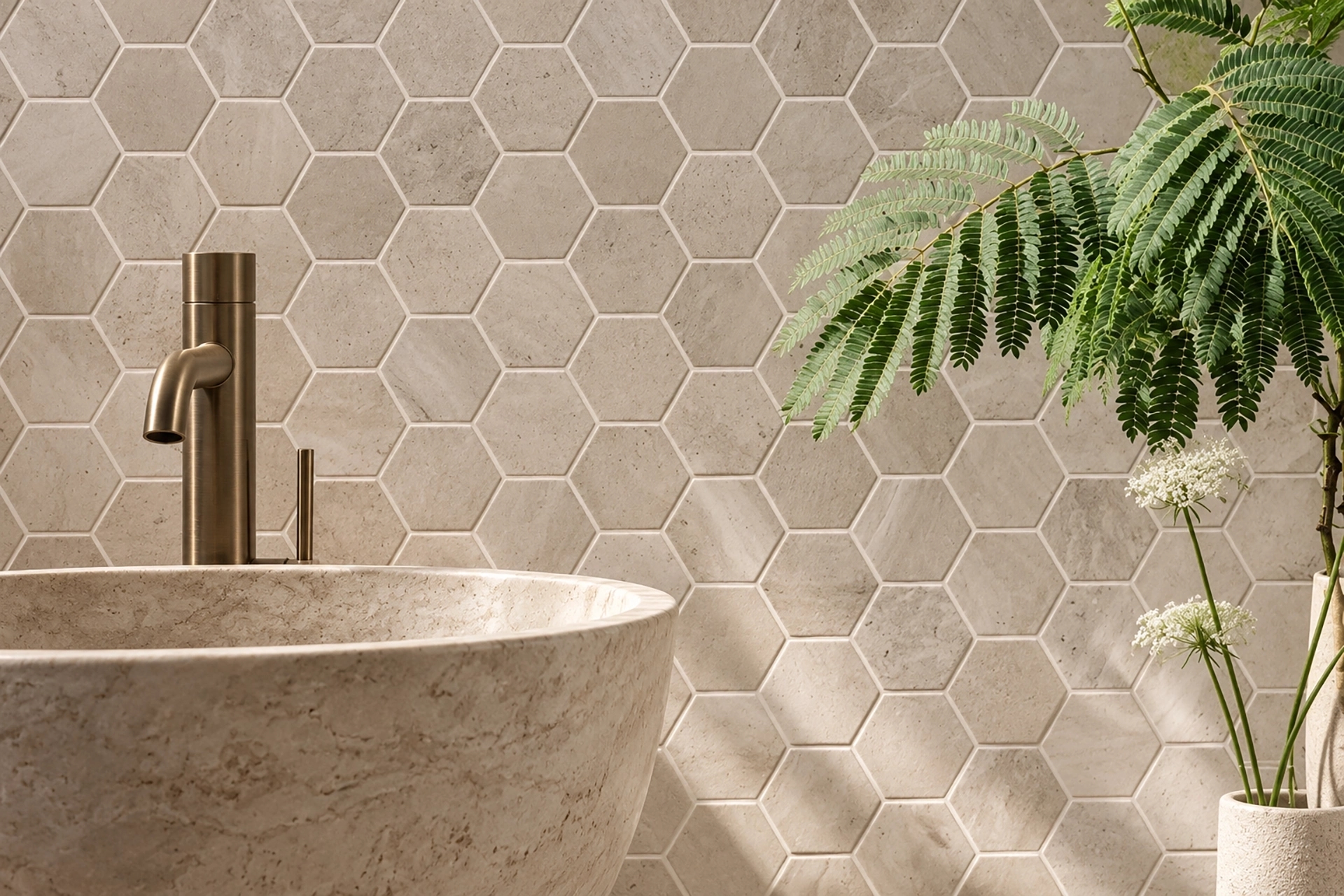
1. Honeycomb pattern with hexagonal tiles
Hexagonal tiles, also known as hex tiles, give a wall a playful look. Placing the tiles side by side creates the recognizable honeycomb pattern. The geometric shape adds character to the wall, while the chosen color and finish determine how striking the overall look will be.
In the bathroom, for example, hexagon tiles look beautiful in a deep aqua color, while sand colors and warm earth tones create a calming atmosphere. These tiles also look great as a backsplash in the kitchen or on the wall of the half-bath. Using a grout color that matches the tile keeps the pattern subtle, while contrasting grout emphasizes the hexagonal shape.
2. Block pattern with rectangular tiles
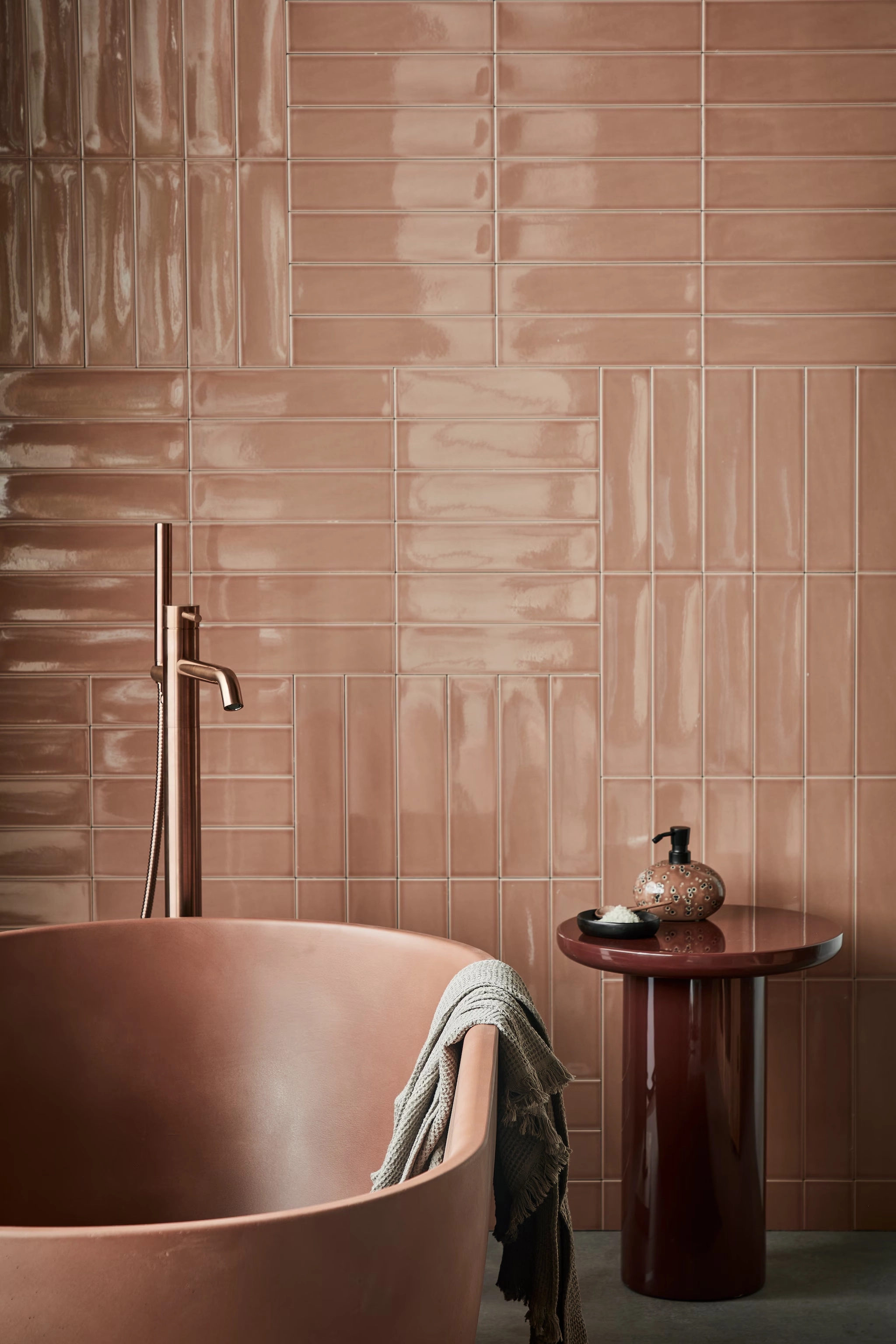
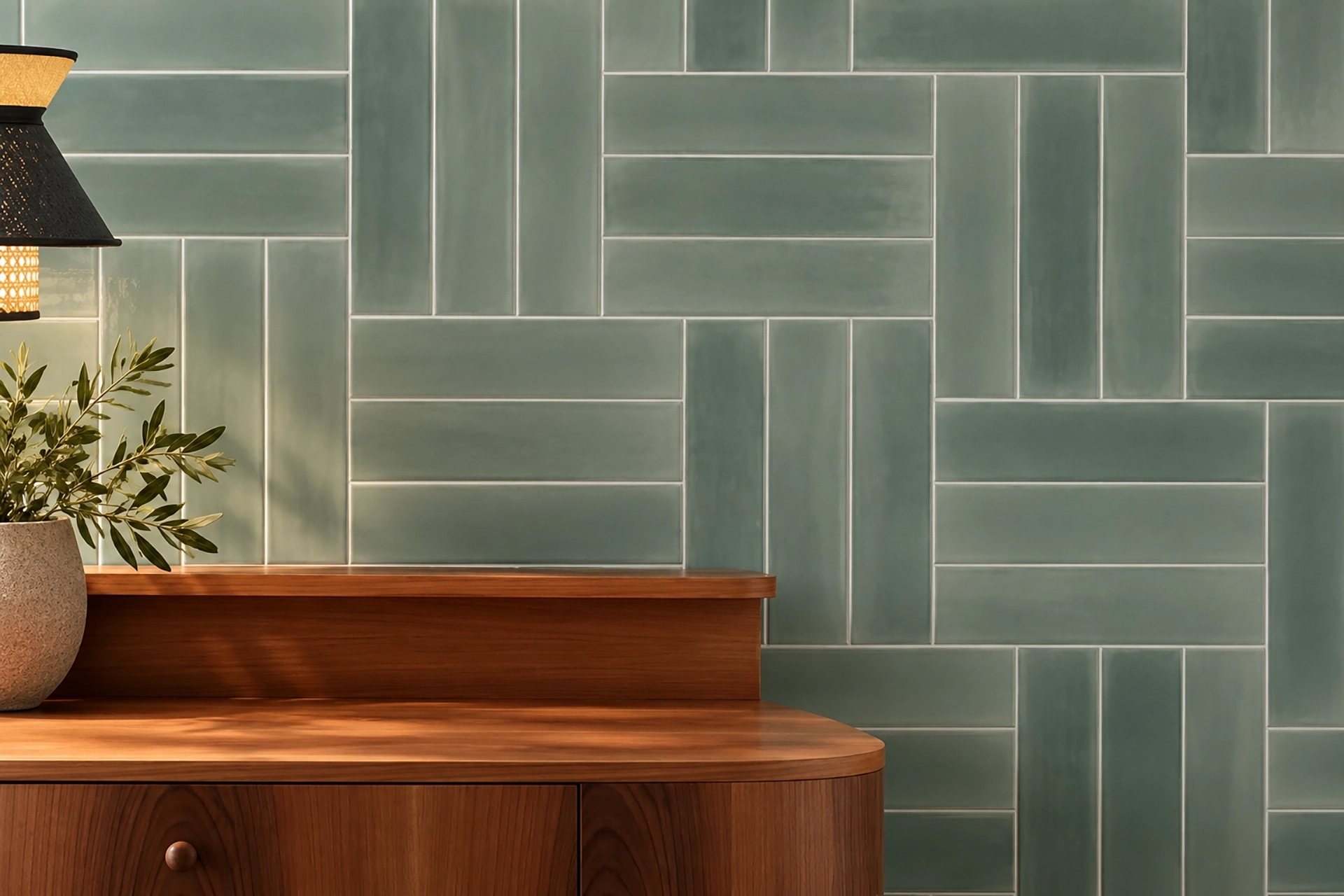
The block pattern is a beautiful alternative to the well-known herringbone pattern. In this layout, multiple rectangular tiles—usually two, three, or four—are arranged together in a block. By laying these blocks alternately horizontally and vertically, a distinctive geometric pattern is created.
The size of the tiles has a significant impact on the final result. Long, narrow tiles give the block pattern a different look than small rectangular wall tiles. The grout width and color also determine how clearly the pattern is visible. Block laying works well in both modern kitchens and bathrooms where you want to add a bit more variety without making the tiled wall look too busy.
3. Oval wall tiles for a soft look
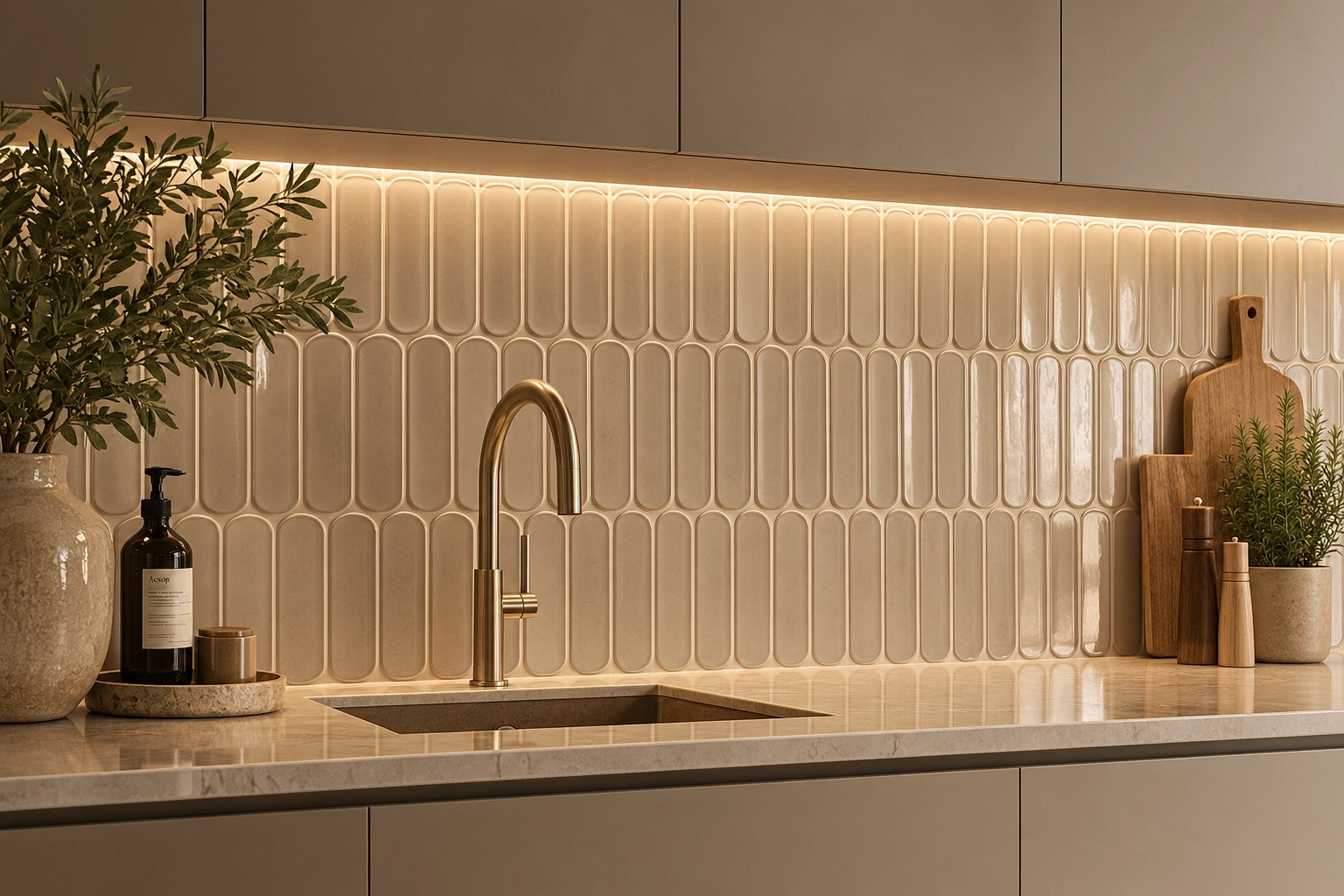
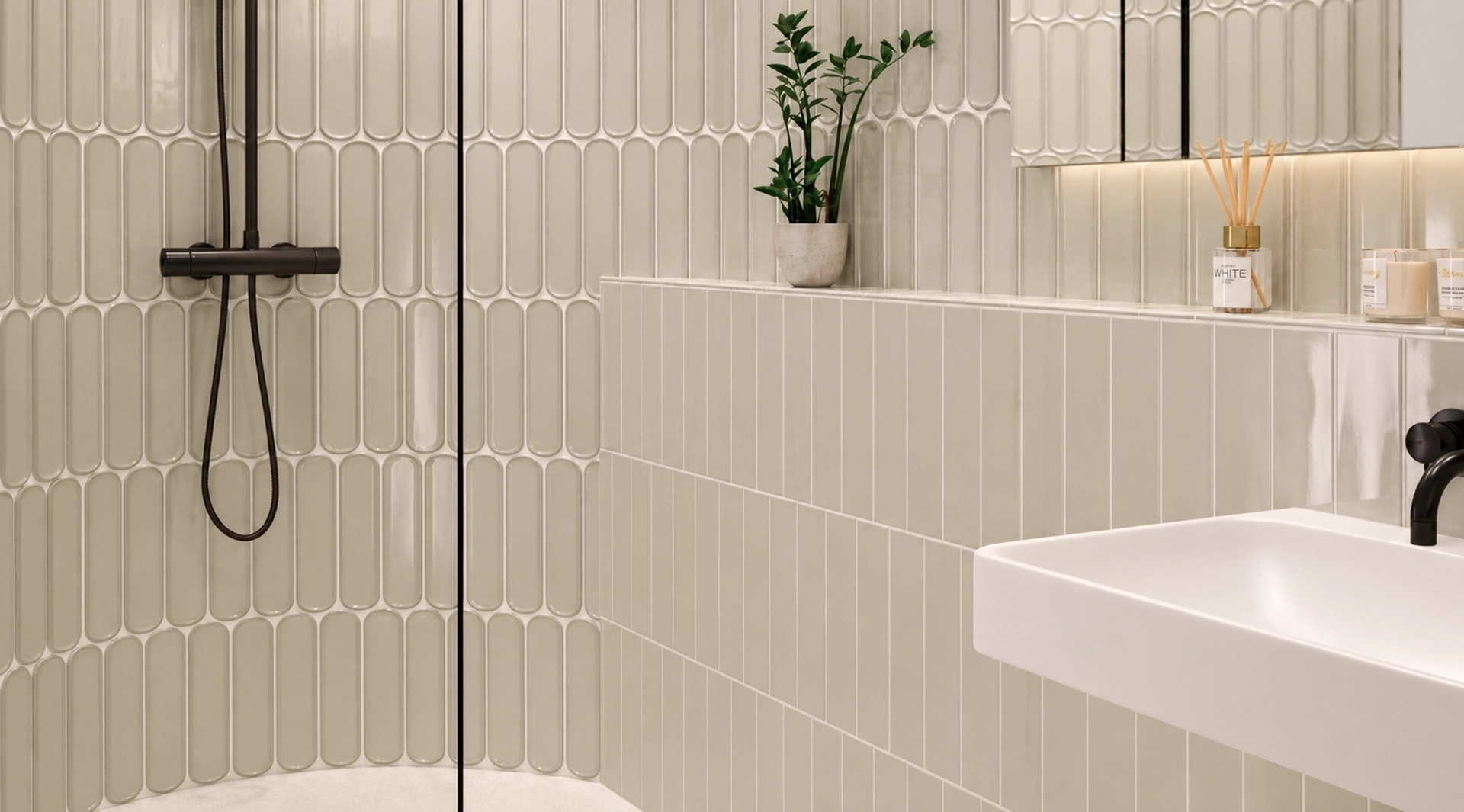
In addition to square and rectangular tiles, there are also oval-shaped wall tiles. The rounded lines give the wall a softer look and create a beautiful contrast with the straight lines of a vanity, kitchen cabinet, or countertop. Placing several oval tiles side by side creates a particularly striking pattern.
Oval wall tiles are available in various colors and finishes. Think of glossy tiles in a warm beige shade or a deep green color. In a small bathroom, for example, you can use these tiles on a single accent wall, such as behind the sink. By keeping the other walls neutral, the unique tile shape gets the attention it deserves.
4. Fish scale wall tiles with character
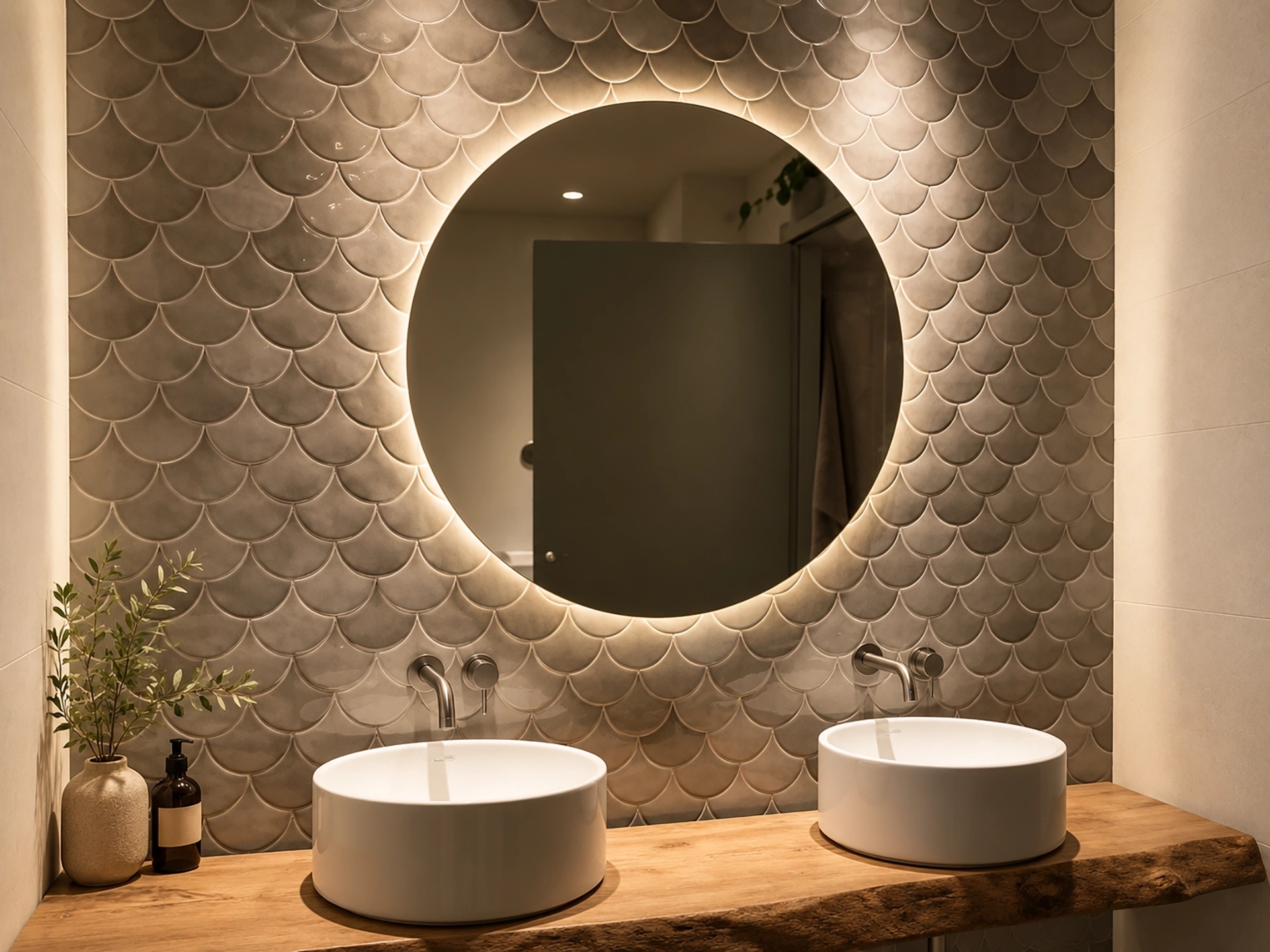
Fish scale tiles are recognizable by their rounded, overlapping shape. They are also known as fish scale tiles and are inspired by traditional tile designs from regions such as the Mediterranean. Varieties with a handcrafted finish, such as Moroccan-style tiles, feature subtle variations in color and texture that give the wall a vibrant look.
Fish scale wall tiles offer plenty of design possibilities. For example, choose multiple shades of green or blue to add extra depth to the pattern. Prefer a more subdued look? Then sand-colored or white fish scale tiles are a great option. The finish also plays a role: glossy tiles reflect light, while a matte finish creates a more subdued look.
5. 3D wall tiles with relief
Want to add some character to a wall without using a bold color? Then 3D wall tiles are an interesting choice. These tiles have a relief or texture on their surface, causing light and shadow to change the wall’s appearance throughout the day.
There are various types of textured tiles, ranging from subtle geometric lines to distinct three-dimensional shapes. Tiles with a natural stone look or a natural texture can also enhance this effect. 3D wall tiles really stand out on an accent wall in the bathroom or behind a sink. When making your selection, keep maintenance in mind: tiles with deep relief may require a bit more attention when cleaning.
Which wall tile pattern suits your space?
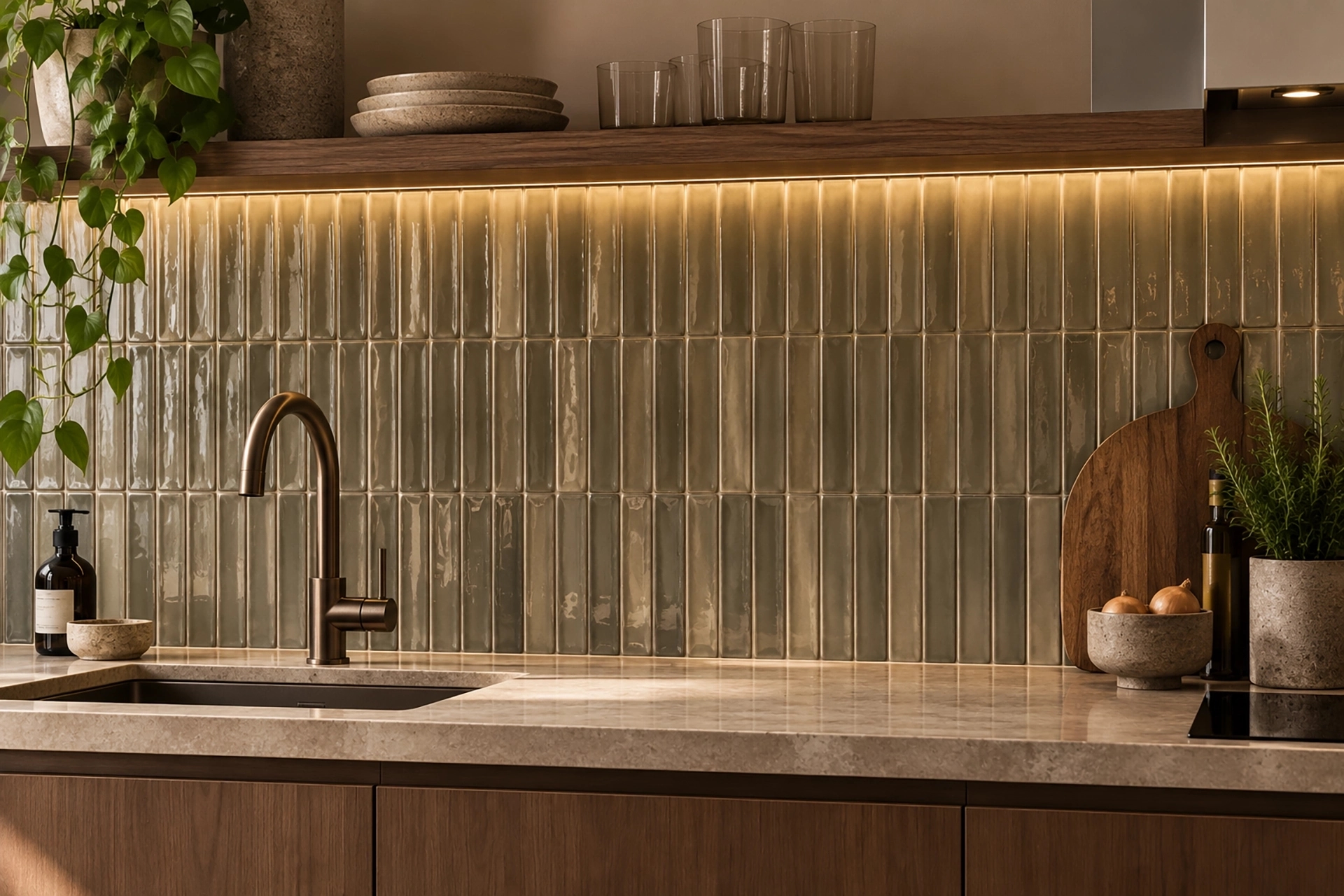
When choosing wall tiles, it’s important to consider not only the color but also the size, shape, and laying pattern. Horizontally laid rectangular tiles can emphasize the width of a wall, while vertical placement accentuates the height. A subtle cross-pattern or half-brick pattern creates a different effect than a striking honeycomb pattern or herringbone pattern.
The dimensions of the room and the other materials used also play a role. In a small bathroom, a unique pattern on just one wall may be enough. For a larger wall, you can opt for a distinctive tile shape or a combination of different shades. Also, keep in mind the amount of waste: unusual tile shapes and diagonal laying patterns often require more cutting than a straight pattern.
Discover unique wall tiles at Intermat
From hexagon tiles to fish-scale tiles and unique 3D wall tiles: at Intermat, you’ll discover a variety of shapes, colors, and finishes for your kitchen or bathroom. Our advisors are happy to help you compare the options and choose tiles that complement your interior. Would you like to view the collection in person and receive personalized advice? Visit one of our showrooms and make an appointment.