Smart placement and concealment of kitchen outlets

Outlets might not be the first thing you think of when planning a new kitchen, but they make a big difference in everyday use. Fortunately, there are plenty of smart solutions these days for incorporating outlets into your kitchen in a way that’s both practical and stylish.
How many outlets do you need in the kitchen?
The number of outlets depends on the size of your kitchen and the appliances you use. So, make a distinction between connections for built-in kitchen appliances and free outlets around the countertop. A refrigerator, dishwasher, oven, and induction cooktop all require their own electrical connections. In addition, you’ll likely use a coffee maker, electric kettle, or food processor regularly. Four to six free outlets are a good starting point for many kitchens. Also, consider appliances you might want to use in the future, so you won’t run out of outlets later on.
Subtly incorporating outlets into the kitchen design
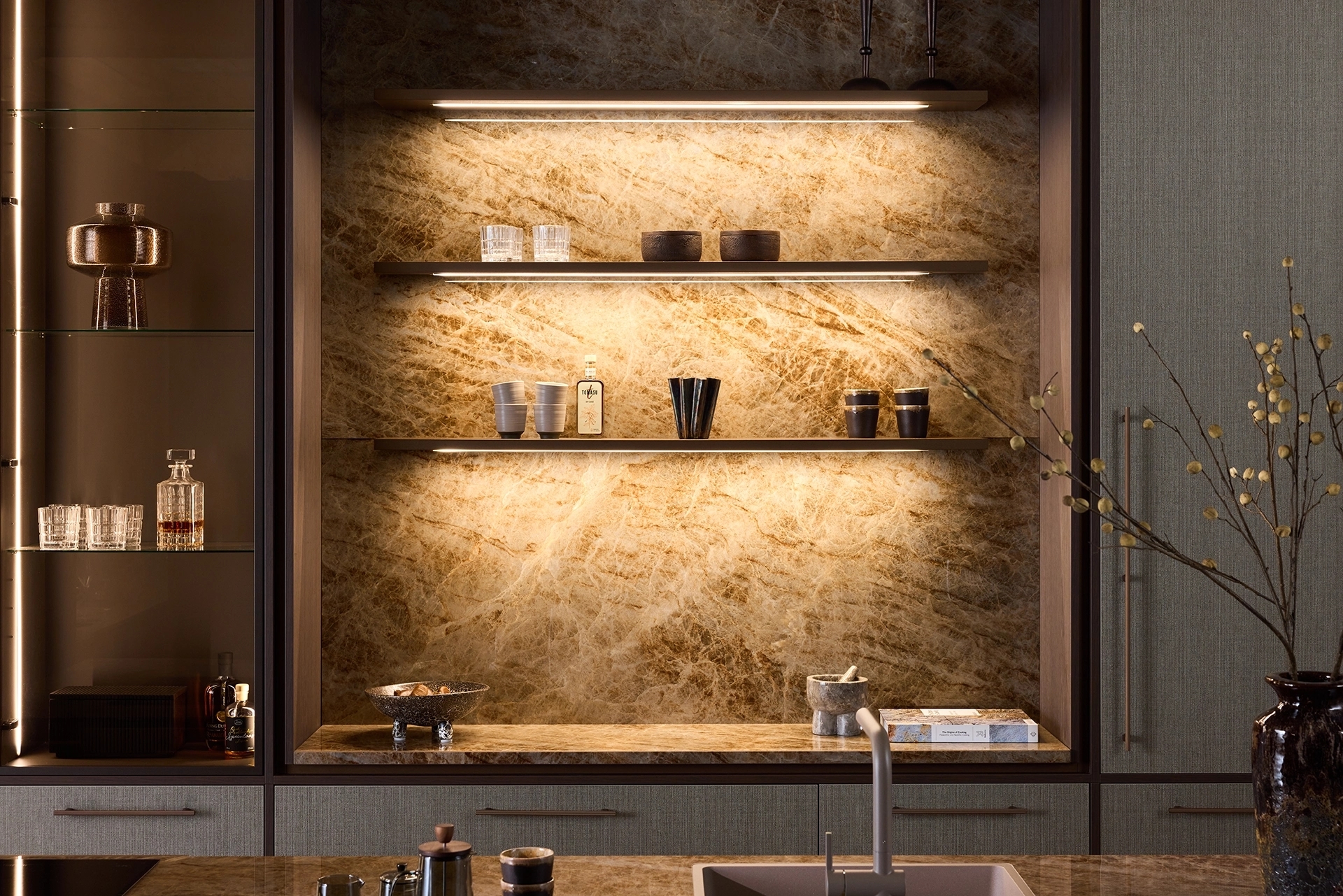
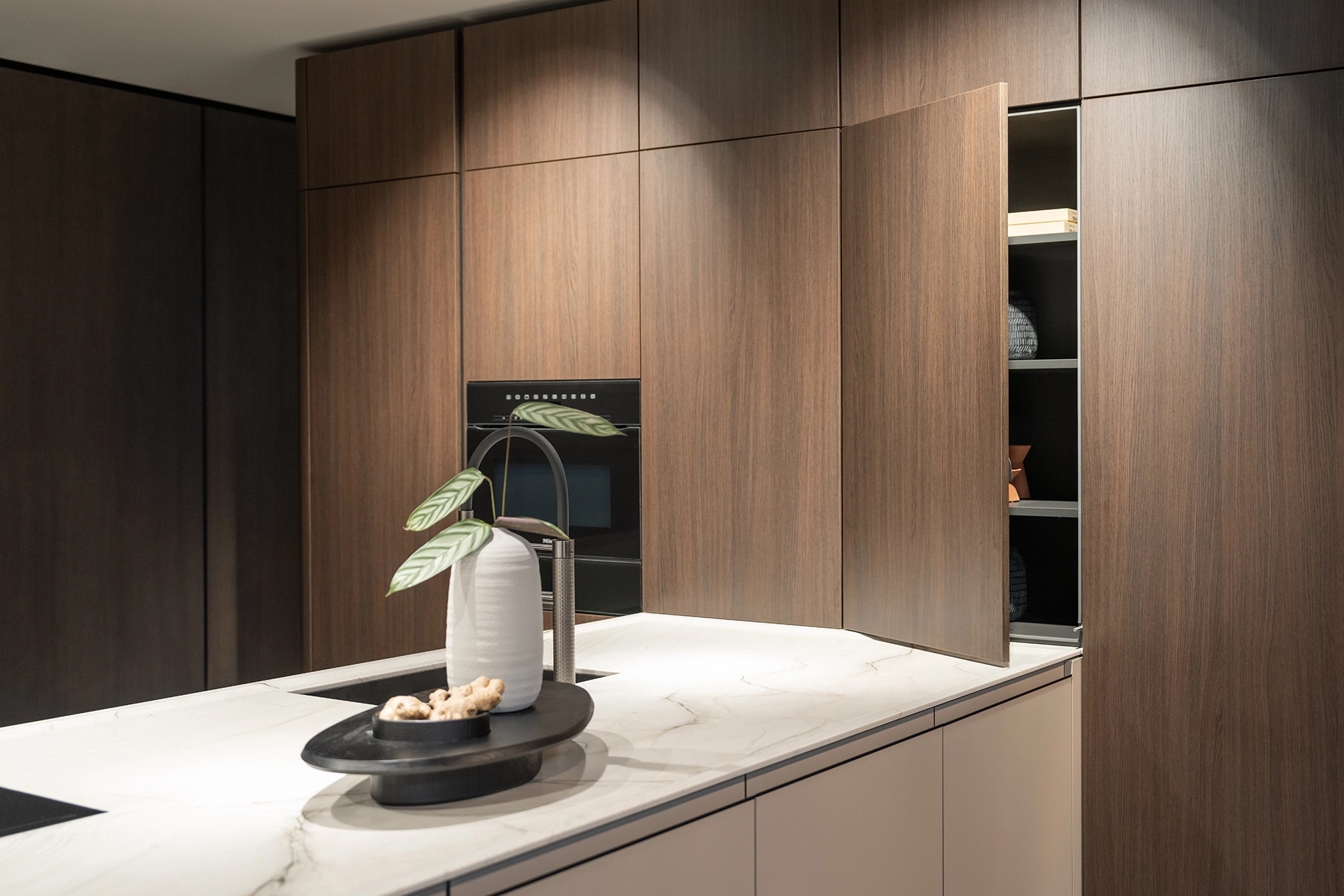
Do you want a serene kitchen without conspicuous outlets? There are several ways to keep outlets out of sight. In SieMatic kitchens, for example, outlets can be integrated into the back wall of an appliance niche or into the side panels of cabinets. The side of a SieMatic spice rack can also be used to create a discreet power outlet. This keeps the outlet easily accessible without drawing immediate attention in the kitchen design.
Another option is a power outlet beneath a wall shelf or upper cabinet. Wall outlets in matte black or brushed stainless steel can also complement the colors and materials of your kitchen beautifully.
Smart outlets for a kitchen Island
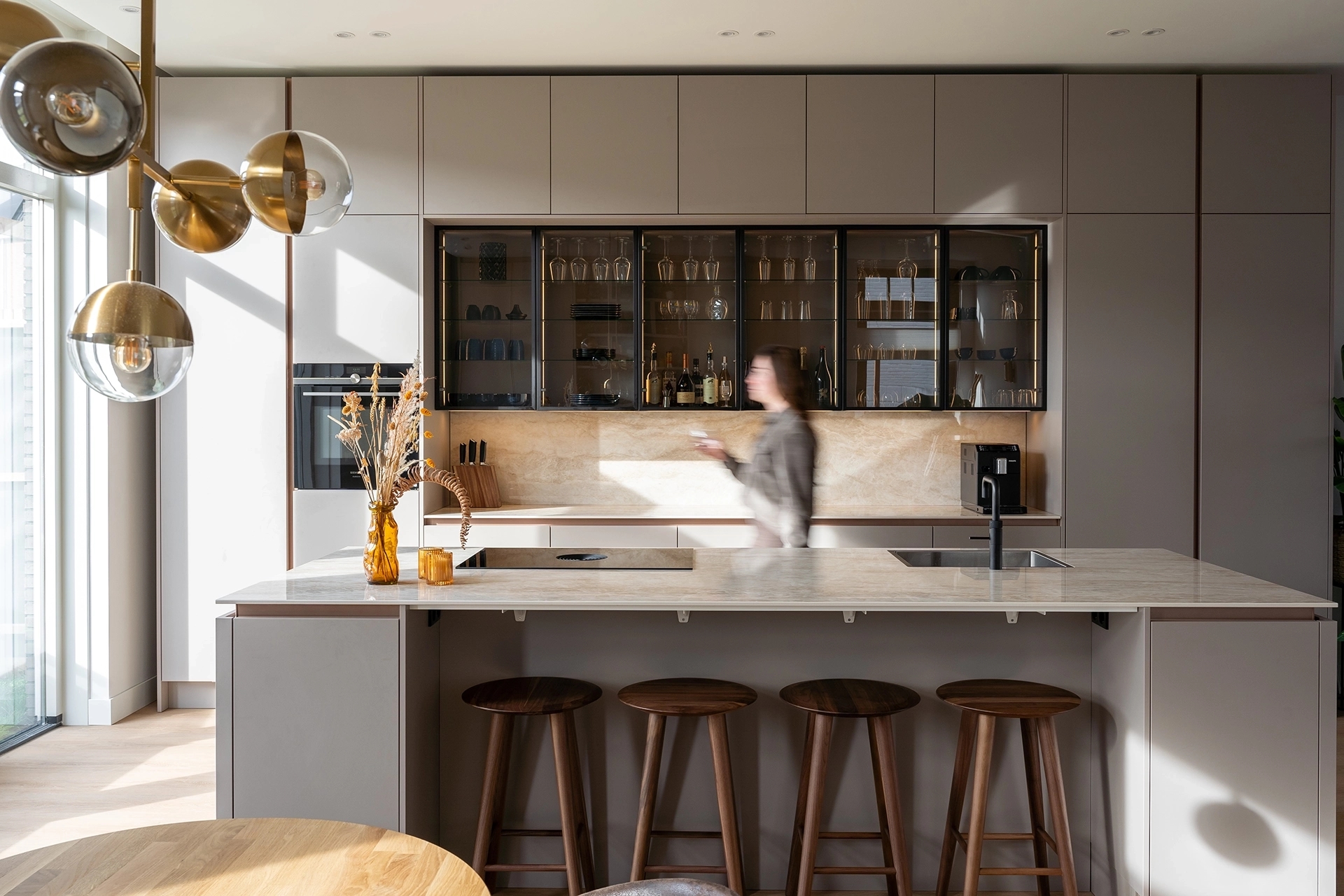
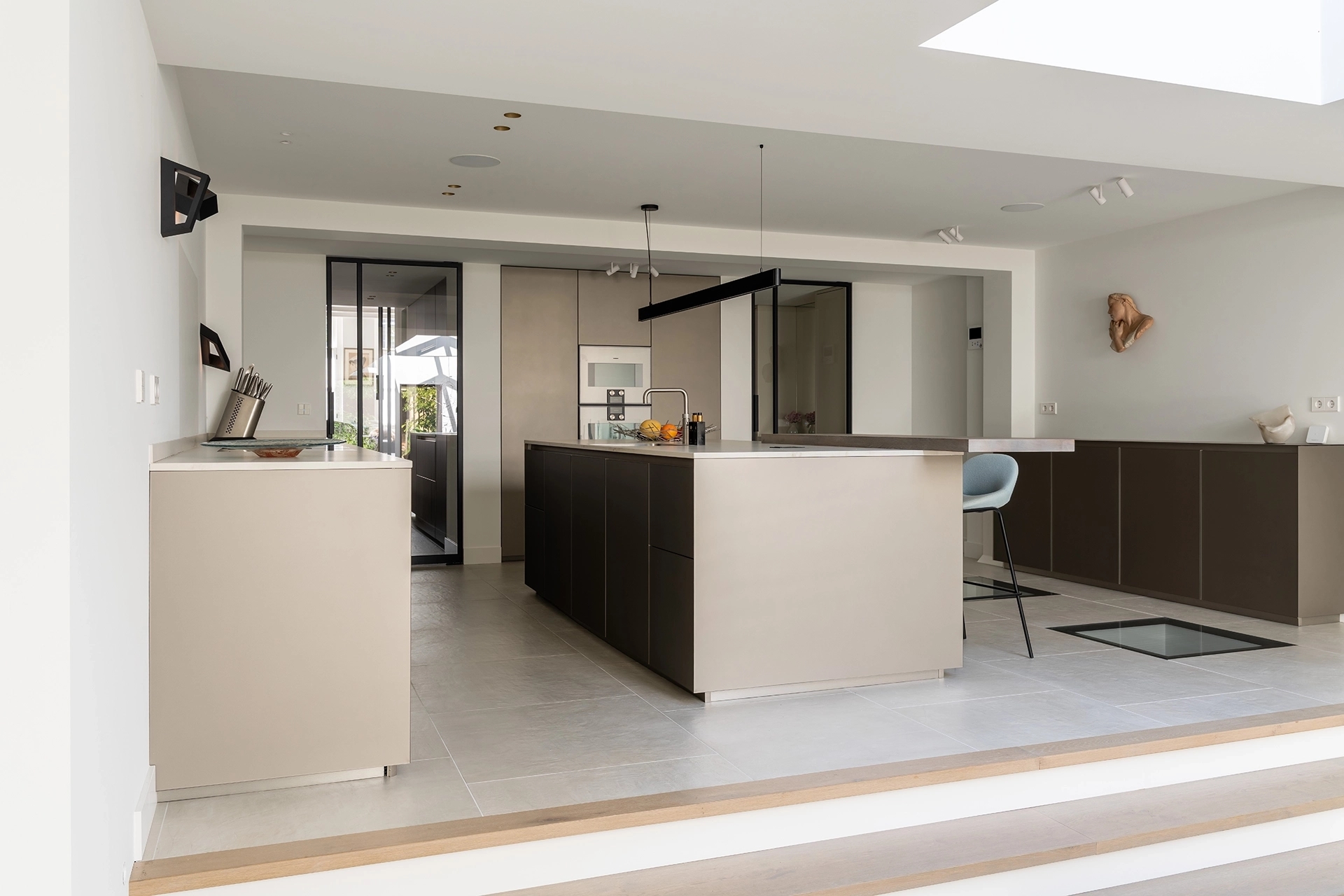
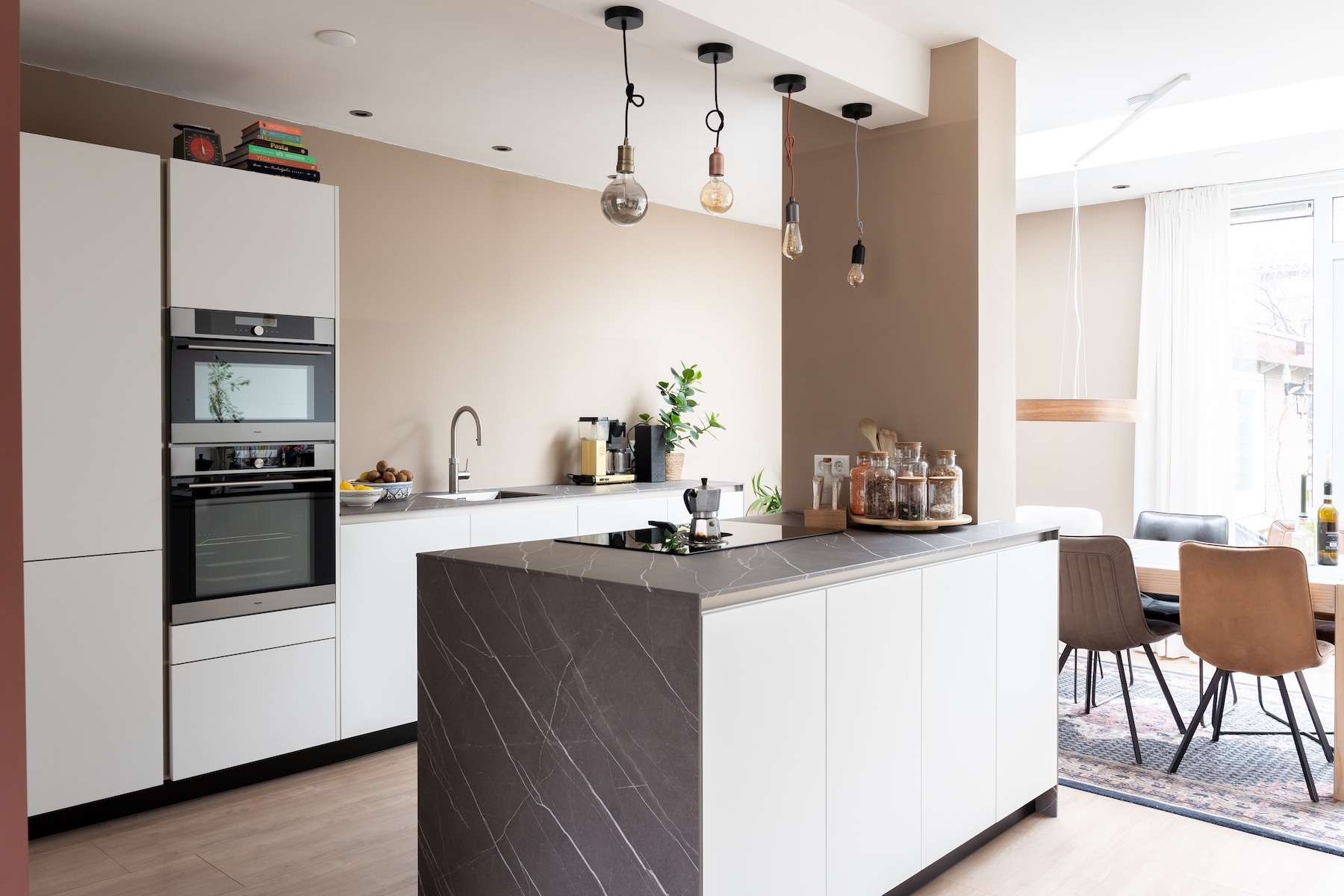
Cooking islands often lack a back panel where outlets can be installed. Fortunately, there are various solutions that allow you to easily connect electrical appliances. In kitchens by Keller and Schüller, for example, outlets are built into the side panel of the kitchen island. This way, you always have a power source within reach, without interrupting the flow of the countertop.
A swivel-mounted built-in outlet, such as a Twist outlet, is another great solution. With a simple twist, you can open the outlet when you need it. After use, you simply close it again. These models are available in various finishes, including black, white, and stainless steel.
Outlets in kitchen cabinets and drawers
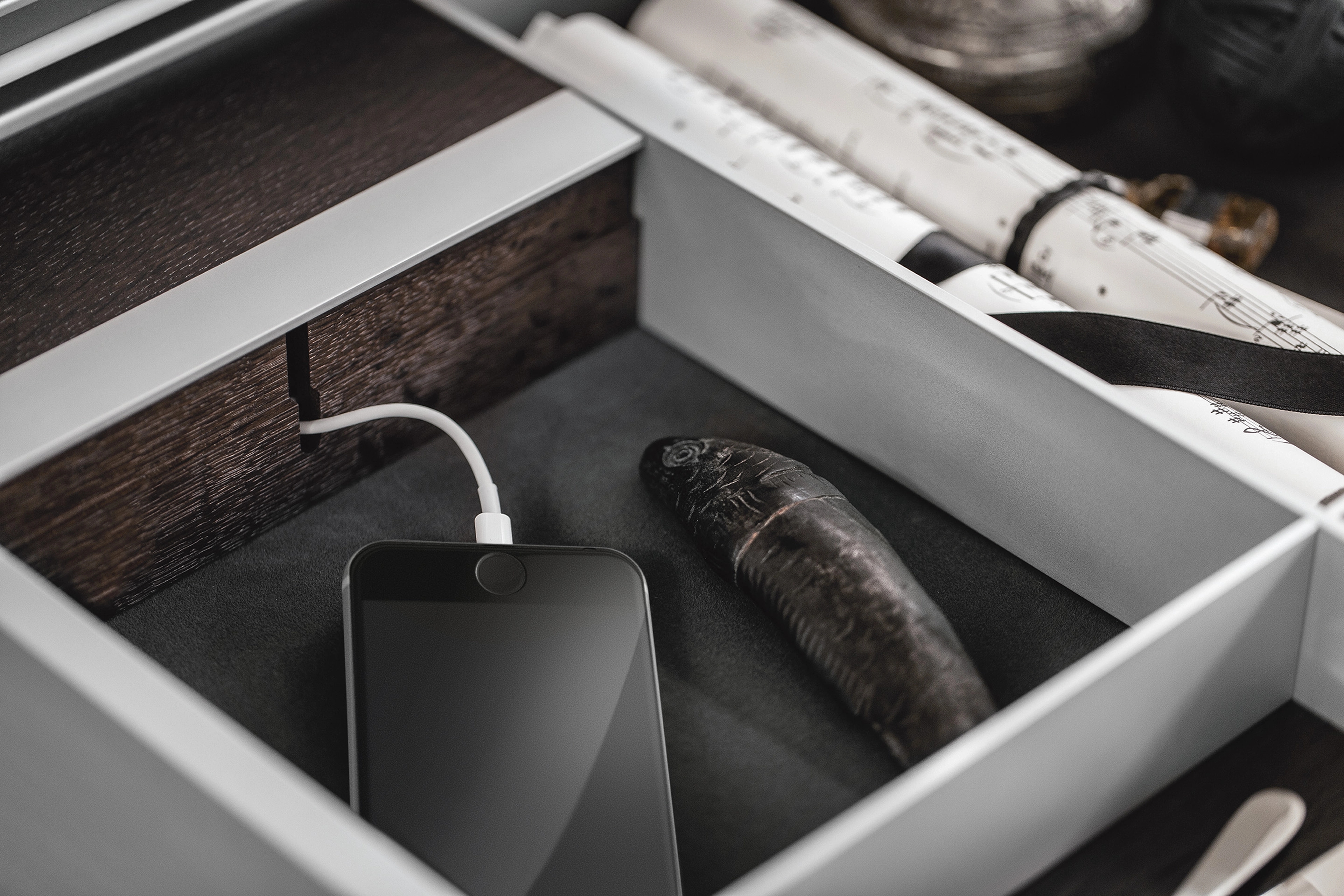
Electrical outlets can also be installed in kitchen cabinets and drawers. Consider a coffee corner or breakfast cabinet where you can give the coffee maker and other small appliances a permanent spot. This keeps the countertop uncluttered and makes the outlets less visible. In some kitchens, outlets can also be installed in drawers, for example, to charge a phone or tablet. Keep in mind, however, that electrical appliances may require adequate ventilation and not all are suitable for use in a closed cabinet.
Where should you place outlets above the countertop?
Outlets above the countertop should ideally be placed in areas where you regularly use electrical appliances. Think of the coffee corner, the spot where you prepare food, or a section of the countertop where you use the food processor. A common height is about 10 to 15 centimeters above the countertop, but the correct position depends on the kitchen layout, the backsplash, and the electrical wiring.
Also, consider the distance to the sink and cooktop. An electrician can assess which placement is safe and complies with applicable regulations.
Plan the electrical layout in advance
When designing a new kitchen, it’s wise to determine the necessary electrical outlets early on. Not only are the visible outlets important, but so are the connections for built-in appliances. Some appliances require a separate circuit, such as an induction cooktop or an oven with a high power rating. Whether your existing circuit panel is suitable depends on the appliances you choose and the electrical system in your home. By incorporating the power outlets into the kitchen design from the start, you can avoid having outlets end up in inconvenient locations later on.
Discover smart outlets at Intermat
From integrated outlets in a SieMatic kitchen to practical solutions for a Keller or Schüller kitchen island: there are various ways to incorporate power outlets in a way that’s both attractive and functional. In Intermat’s showrooms, you’ll discover how these details can be part of your kitchen design. Our consultants are happy to work with you to explore the layout and possibilities for your new kitchen. Curious about what’s possible? Stop by one of our showrooms and make an appointment.